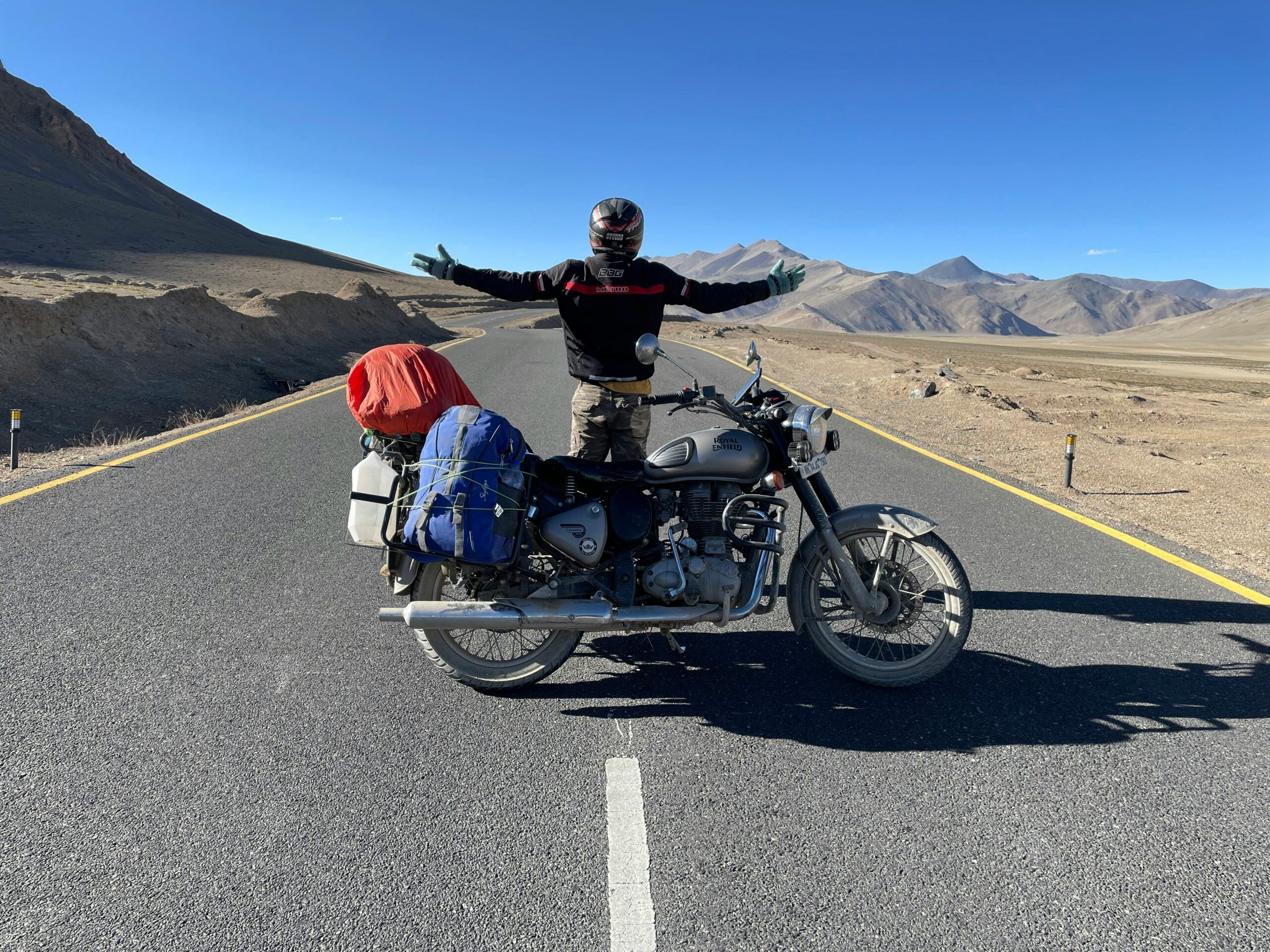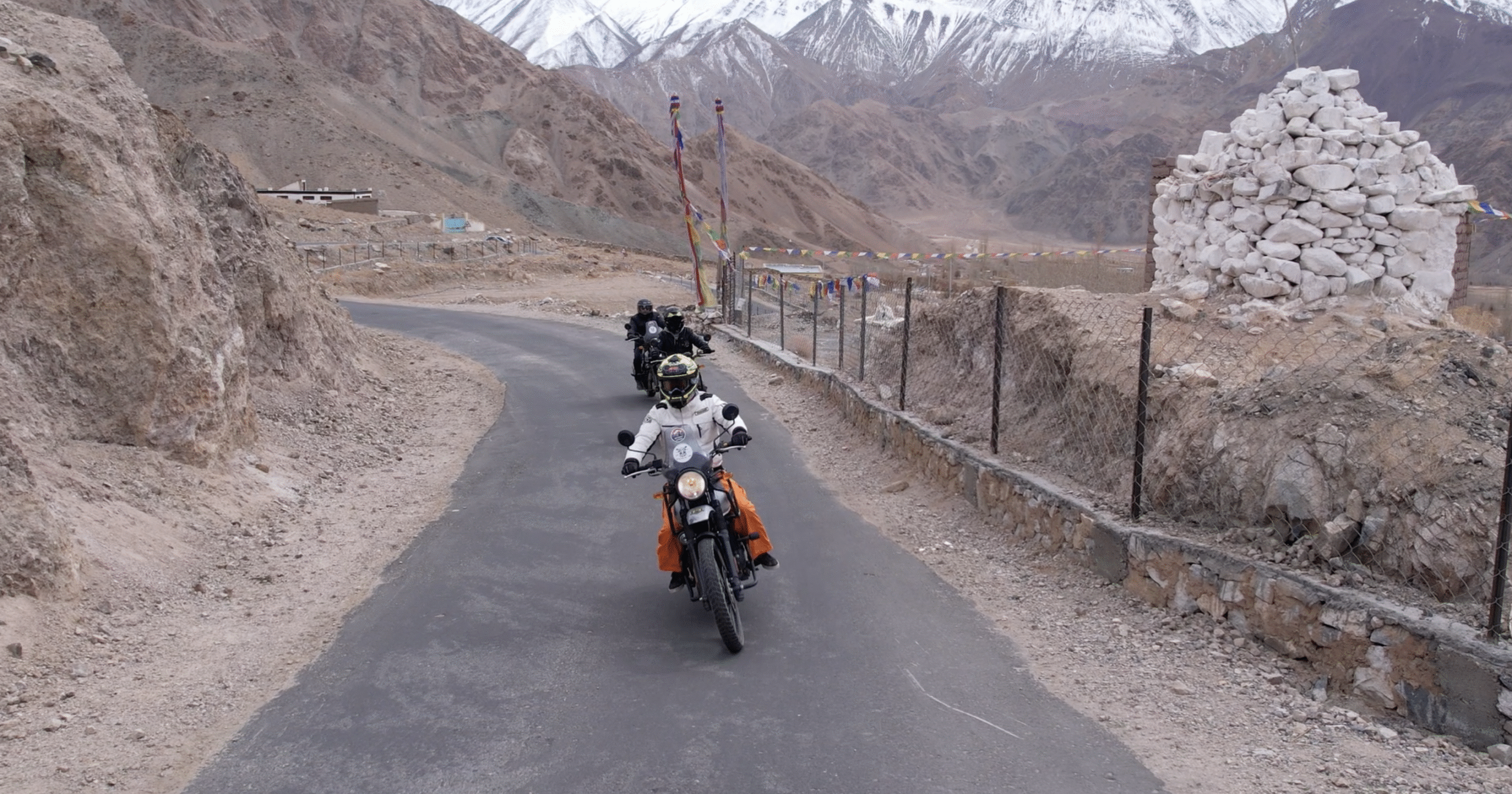

If you are planning a bike trip in Ladakh, understanding the Inner Line Permit (ILP) system is absolutely essential. Many of Ladakh’s most iconic destinations fall under protected areas due to their proximity to international borders. Without a valid Inner Line Permit, you may be stopped at checkpoints and denied access, no matter how far you have ridden. For anyone researching an inner line permit Ladakh process, clarity before arrival can save both time and frustration.
The Inner Line Permit for Ladakh is mandatory for Indian nationals traveling beyond Leh town into specified regions. For bikers, this permit is especially important because most popular routes—such as Nubra Valley, Pangong Lake, Hanle, and Tso Moriri—fall under restricted zones. Foreign nationals follow a different permit system, but for Indian riders, ILP is the key document enabling legal access.
The Ladakh bike trip permit can be obtained through both online and offline processes. The online method is the most convenient and widely used today. Riders can apply through the official Ladakh administration permit portal before reaching Leh. The process involves selecting the areas you wish to visit, entering personal details, uploading an ID proof, and paying the required fee online. Once approved, you can download and print the permit. Carrying multiple photocopies is highly recommended, as they are collected at various checkpoints.
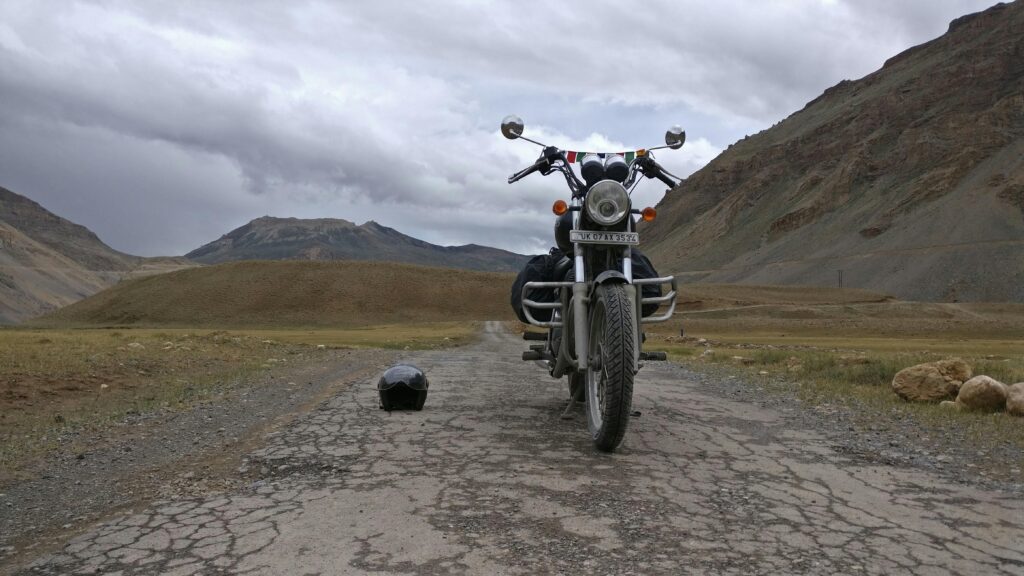
The offline process is available in Leh for those who prefer in-person applications or face issues online. Permits can be obtained from the District Magistrate’s office in Leh during working hours. While the offline method works, it often involves queues, limited office timings, and potential delays during peak tourist season. Most bikers prefer the online process to avoid wasting a riding day in Leh.
Knowing which areas require an Inner Line Permit is crucial when planning routes. Protected areas commonly include Nubra Valley, Pangong Tso, Tso Moriri, Hanle, Nyoma, Durbuk, Chushul, and regions around Umling La. Routes like Leh town, Kargil, and the Srinagar–Leh highway do not require an ILP, but the moment you branch into restricted zones, permits are checked rigorously. Selecting only the areas you actually plan to visit helps avoid confusion at checkpoints.
Permit validity is another important aspect riders often overlook. Typically, an Inner Line Permit for Ladakh is valid for a limited number of days, usually up to a week, depending on the areas selected. The validity dates are clearly mentioned on the permit, and riders must complete their travel within that window. Extensions are not always guaranteed, so it is wise to plan your itinerary carefully before applying.

Cost-wise, the Ladakh bike trip permit includes a combination of environment fees, wildlife protection fees, and administrative charges. The total amount is relatively modest, especially considering the scale of travel involved, but it must be paid at the time of application. These charges contribute to local conservation and infrastructure, making them an important part of responsible travel in Ladakh.
For bikers, a few practical tips can make the permit process smoother. Always carry at least five to ten photocopies of your permit, as checkpoints rarely return them. Keep both digital and printed copies accessible, especially in case of rain or damage. Double-check spelling, dates, and selected areas before final submission, as errors can cause issues on the road. If riding in a group, ensure everyone’s name appears correctly on the permit.
Understanding the Inner Line Permit Ladakh system is not just about paperwork—it is about uninterrupted riding through some of the most breathtaking landscapes in the Himalayas. With the right preparation, your Ladakh bike trip permit becomes a simple formality rather than a roadblock, allowing you to focus on what truly matters: the ride itself.